/master-professional-career-coach
/programs
/senior-professional-career-coach
/senior-professional-resilience-coach
/senior-professional-resume-writer
Speak with a Learning Advisor
Book a certification consultation with a learning advisor to help you find the perfect certification path

How Much Does a Career Coach Make?

If you're wondering whether career coaching is a good career, you're probably also asking how much career coaches really make. It's one of the questions I'm asked most often, especially because the salary information online can be so confusing.
In this guide, I'll show you why published career coach salary data not only varies so widely, but why it can actually be misleading and understated. I’ll also explain the factors that have the greatest impact on earning potential, which ones are easier to influence than others, and real salary data collected by the International Association of Career Coaches.
Before we dive in, keep in mind that when I refer to career coaching, I'm referring to professionals with the highest 360-degree view and insights into the corporate career landscape. Their depth of lived experience helps their clients make informed, strategic decisions that span all aspects of career-related needs and decision-making. That means they can help someone navigate a layoff, prepare for interviews, update a resume and LinkedIn profile, pursue a promotion, negotiate an offer, recognize opportunities they may not have considered on their own, and beyond.
Two Career Coach Earning Paths: Self-Employed vs. Salaried
It’s important to first recognize that there are two career paths a career coach can take. Each path offers great opportunities, income drivers, and different levels of control over the decisions that influence earnings.
A coach will either be self-employed and build their own coaching practice or work for an organization as a salaried employee. Most public salary websites primarily reflect employed positions, although reported averages differ because each source relies on a different methodology.
This distinction is one of the biggest reasons career coach salary estimates vary so widely.
Here's a high-level comparison:
Self-Employed Career Coach Pay
Instead of earning a paycheck, they earn income directly from the clients they serve. They bear the responsibility of attracting clients and bringing in revenue. At the same time, they have control over the factors that influence what they earn and the day-to-day decisions in running their practice. Their biggest income drivers are their niche areas of specialization, reputation, and their ability to consistently attract clients.
Salaried Career Coach Pay
They earn a steady paycheck determined by their employer. While they may lack decision-making authority, they can often rely on predictable schedules and enjoy benefits. Compensation is often influenced by factors such as experience, performance, and geographic location.
Those differences are just the beginning.
Why Career Coach Salary Estimates Don't Tell the Whole Story
The difference between self-employed and salaried career coaches explains some of the variation in published salary estimates, but not nearly all of it. The bigger reason those estimates can be misleading is that the salary websites themselves aren't measuring the same thing. They often rely on different sources of data, measure different populations, and lump together multiple career-related professions under the broad umbrella of career coaching. It's no wonder the numbers are all over the place.
The U.S. Bureau of Labor Statistics (BLS) doesn't track career coaches as a distinct occupation, instead reporting data for the broader category of Educational, Guidance, and Career Counselors and Advisors. Glassdoor relies primarily on employee-reported compensation, PayScale uses survey responses from people who identify as career coaches, Indeed and ZipRecruiter rely heavily on job postings and proprietary compensation estimates, and Salary.com models compensation using employer salary data.
Understanding the data behind the salary estimates you’re finding is critical to getting the full story. Just consider that the measuring of different populations already alters the numbers enough to not represent what you’re really looking for. Then they get broadened more when the salaries of self-employed career coaches and salaried employees are combined since they operate under fundamentally different earning models. And if they’re also grouped in with career counselors, recruiters, HR professionals, resume writers, and other career-related roles, the result is more of a generic (if not blurred) snapshot rather than a true picture of what career coaches actually earn.
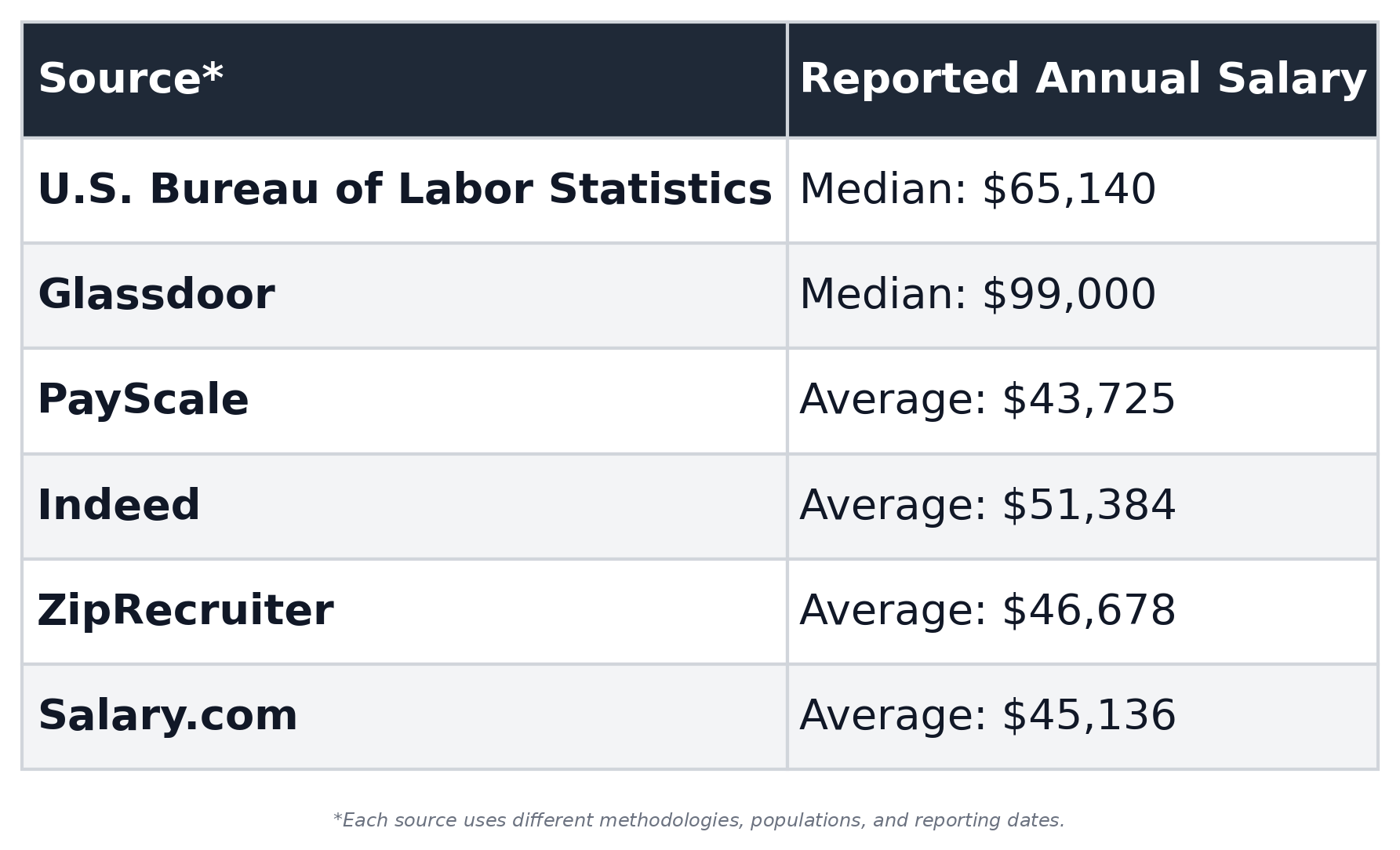
More importantly, most published salary estimates don't accurately reflect the earning potential of independent career coaches who own and operate their own businesses. Instead, they primarily reflect salaried positions. That's why looking at an average salary alone doesn't tell you what career coaching can really pay.
How Much Can a Career Coach Really Make?
According to a survey of graduates from the International Association of Career Coaches (IACC)’s Senior Professional Career Coach (SPCC)® Certification program, average annual earnings are $137,000. While this isn't an industry average or a guarantee of future income, it offers valuable insight into what's possible for coaches who develop their expertise, build credibility, and grow a successful coaching practice.
So how much do career coaches charge? Unlike salaried coaches, self-employed career coaches' income depends on what coaches charge, how they package their offerings, and how they grow their business. Income isn't based solely on the number of clients they serve. It's also influenced by how coaches position their expertise and the value they deliver to clients.
Many self-employed coaches begin by setting a career coach hourly rate before transitioning to coaching packages, executive coaching engagements, corporate workshops, and ongoing corporate contracts. I've seen coaches package their services in all kinds of creative ways, but these are some of the most common pricing models.
Common Career Coaching Pricing Models

Most packages include a combination of coaching sessions, career assessments, resume reviews, LinkedIn optimization, interview preparation, salary negotiation, and ongoing support. As coaches gain experience and build a strong reputation, many expand beyond one-on-one coaching by offering workshops, corporate training, online courses, group coaching, and speaking engagements that diversify their income and reduce reliance on hourly billing.
So, what's the bottom line? There isn't one salary number or range that defines what a career coach makes. Published salary websites provide one piece of the picture, but they don't tell the whole story, especially for self-employed coaches. A better approach is to focus on the factors that actually drive earning potential rather than relying on published salary estimates alone. Let's take a closer look at the ones that matter most.
Career Coach Income Drivers
One of the biggest misconceptions about career coach income is that it's driven by a single factor, such as coaching experience or geographic location. After training and mentoring thousands of aspiring and practicing career coaches, I find that these are the income drivers that have the biggest influence on earning potential for both self-employed and salaried career coaches.

How much you make is important, but so is how you make it. Every career path comes with tradeoffs, and I've found these are some of the biggest ones between self-employed and salaried career coaches. There's no right or wrong choice. It’s about what matters most to you.

Let's take a closer look at the income drivers that have the greatest influence on career coach earning potential. If you're still deciding between a self-employed or salaried path, consider how much control you want over your earning potential, because that can help point you toward the career path that's the best fit for you.
Niche & Specialization: For self-employed coaches especially, specialization can significantly increase earning potential. Coaches who focus on executive coaching, career transitions, leadership development, interview coaching, salary negotiation, or a specific industry often differentiate themselves from generalists and are better positioned to command premium pricing.
Marketing: For self-employed coaches, marketing is one of the strongest drivers of income. By contrast, it has much less impact on salaried coaches because employers typically provide a steady stream of clients or employees to serve. Even the best coach won't build a successful practice if people don't know they exist. An effective website, referral network, thought leadership, strategic partnerships, and a strong online presence can all contribute to higher revenue.
Coaching Expertise & Track Record: Coaches who consistently deliver results tend to earn more over time. As their expertise grows, so do their credibility, referrals, client testimonials, and confidence to command higher fees or qualify for more senior positions.
Certification: Certification alone doesn't determine income, but it can improve earning potential over time. Professional certification helps coaches strengthen their skills, build confidence, establish credibility, and differentiate themselves in a competitive market. When combined with the right experience, specialization, and business development skills, certification can become another factor that supports higher earnings.
Geographic Location: Independent coaches who work virtually can serve clients nationwide or around the world, making location less important than specialization, reputation, and client demand. For salaried coaches, however, location often plays a much larger role. Employers frequently adjust compensation based on local labor markets and cost of living.
How Career Coach Certification Affects Earning Potential
Certification alone won't determine how much you earn as a career coach, but it can strengthen many of the things that do, including your knowledge, confidence, and ability to stand out in a competitive market.
The right certification program can contribute to many of the factors that influence earning potential, including your expertise, specialization, pricing, marketing, and the ability to consistently deliver results for clients. It can also elevate how clients and employers see you. Earning a respected credential shows you've invested in learning your craft and are serious about helping people. For self-employed coaches, that added credibility can make it easier to attract clients, earn referrals, charge premium fees, and build a thriving coaching practice. For salaried coaches, it can strengthen your qualifications for certain positions and open the door to new career opportunities.
According to the International Association of Career Coaches (IACC) Earnings Report, Senior Professional Career-Certified (SPCC)® coaches report average annual earnings of approximately $137,000. The SPCC program provides real-world coaching skills and proven frameworks that can help you strengthen the very factors that drive earning potential. It can help you communicate your value, deliver your clients results, and continue growing your practice over time.
Ready to Learn if Career Coaching is the Right Next Step for You?
If you're still wondering if the earning potential of a career coach would make it a good career, I hope this guide has given you a clearer picture of what's possible. As you've seen, income isn't determined by a single salary estimate. It's shaped by your career path, the expertise you develop, and the decisions you make along the way.
Whether you hope to launch your own practice or pursue a salaried coaching position, the IACC's Senior Professional Career Coach (SPCC)® Certification Program is designed to prepare you for the real-world challenges career coaches face every day.
If you're ready to take the next step or just want to explore if career coaching is right for you, we'd love to answer your questions and help you evaluate your options.